
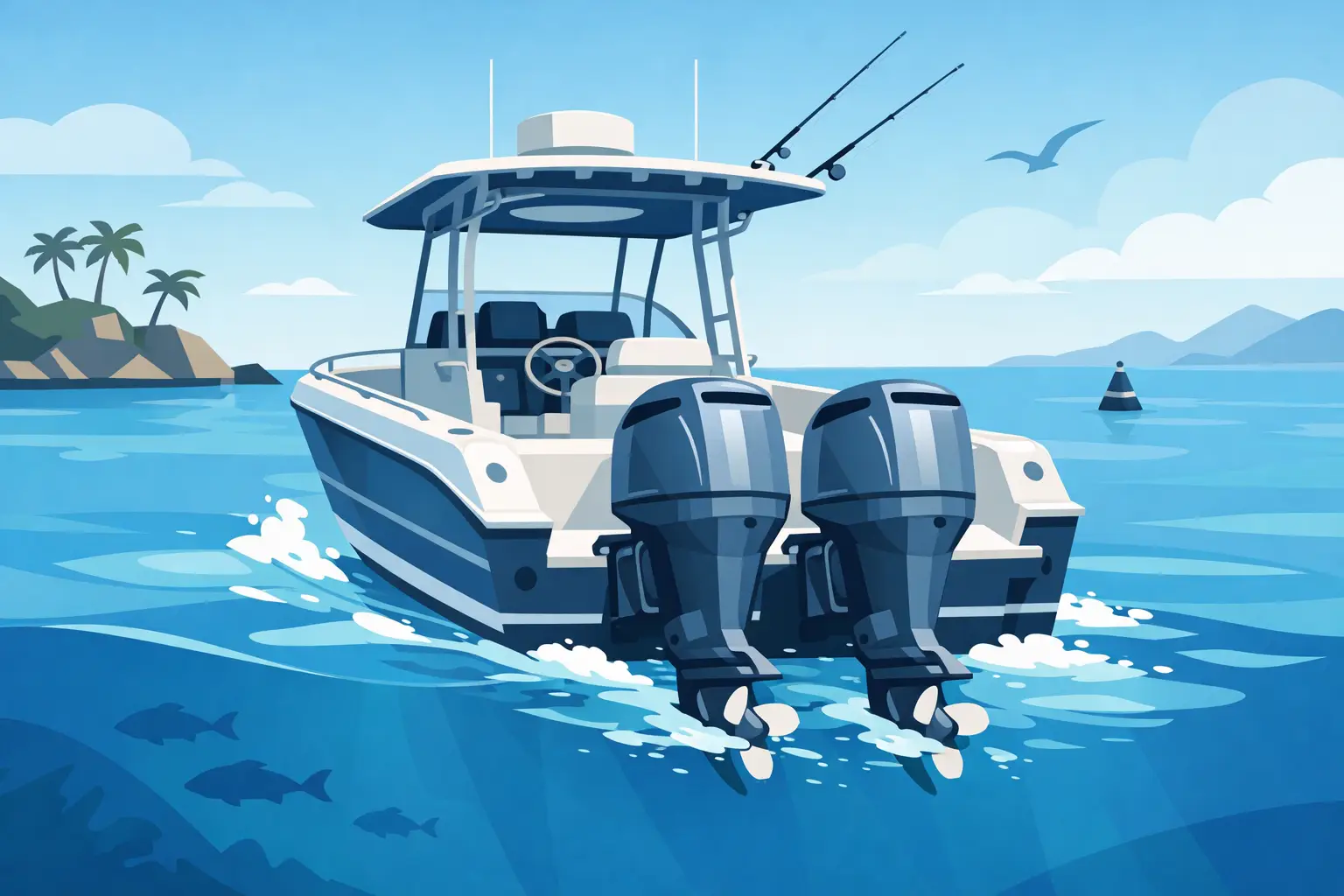
Choosing an Outboard Motor for Saltwater Use
Saltwater is hard on equipment. If you run offshore, in bays, around inlets, or on tidal rivers, choosing the right outboard motor for saltwater use is less about looks and more about durability, corrosion resistance, and long-term value.
A lot of buyers start with horsepower and price, which makes sense. But in saltwater, the wrong midsection coating, weak corrosion protection, or a poor fit for your hull can cost more later in service, downtime, and premature wear. The better buy is the motor that matches your boat, your water conditions, and how often you actually use it.
What matters in an outboard motor for saltwater use
The biggest difference between freshwater and saltwater ownership is corrosion. Salt gets into every exposed area - brackets, fasteners, cooling passages, electrical connections, and lower units. That is why a true saltwater-ready outboard should have strong factory corrosion protection, quality alloys, durable paint systems, and anodes designed to take the hit before major components do.
Cooling also matters. Saltwater use puts more pressure on the cooling system because deposits can build up over time if the engine is not flushed regularly. A motor with an easy freshwater flush system saves time and makes routine care much simpler. If you trailer often or rack-store your boat, that convenience matters more than many buyers expect.
Then there is the basic fit. An outboard that is excellent on paper can still be a poor choice if the shaft length is wrong, the weight is too heavy for the transom, or the horsepower pushes you outside the sweet spot for your hull. Saltwater performance is not just about top speed. It is about reliable starts, clean idle, strong low-end torque, and stable handling in rougher conditions.
Two-stroke or four-stroke in saltwater
For most buyers today, four-stroke outboards are the standard choice for saltwater. They are quieter, fuel-efficient, and widely available across major brands. They also tend to appeal to owners who want dependable recreational use, easy parts support, and broad service familiarity.
That said, it depends on the application. Some buyers still prefer direct-injection two-stroke models because of their power-to-weight ratio and strong throttle response. On certain fishing rigs or performance setups, that can be a real advantage. The trade-off is that availability is more limited, and long-term buying decisions usually come down to what brand support, replacement parts, and engine condition look like in the real world.
If your priority is straightforward ownership, broad brand selection, and easier comparison shopping, four-stroke models are usually the safer move.
Horsepower: buy for the boat, not the brochure
Too little power can be as frustrating as too much. In saltwater, where wind, tide, passengers, bait wells, coolers, and gear add up fast, underpowering a boat leads to poor hole shot, harder engine strain, and a less efficient ride. Overpowering, on the other hand, can create handling issues and push cost higher than necessary.
The right starting point is your boat's maximum horsepower rating and its real load. A flats skiff, center console, bay boat, and work skiff all use power differently. A solo angler running light has different needs than a family boat pulling gear through chop or a small operator running daily trips.
For many buyers, the smart move is to stay near the upper half of the approved horsepower range without automatically maxing it out. That often gives a better balance of performance and value. If you regularly run in rough saltwater conditions, a little extra torque and reserve power can be worth paying for.
Shaft length, weight, and rigging details
This is where good purchases go wrong. Saltwater buyers often focus on engine brand first and leave fitment questions for later. That can slow down installation and create avoidable expense.
Shaft length has to match the transom. Too short and you risk ventilation and poor prop bite. Too long and the setup can drag, affect trim, and reduce performance. Weight matters too, especially on older hulls or smaller boats. A heavier four-stroke may offer great features, but if it changes how the boat sits at rest or runs through chop, that matters.
Rigging is another practical issue. Mechanical steering versus hydraulic steering, tiller versus remote, digital controls versus traditional controls, and gauge compatibility all affect final cost. So does whether you need a full repower package or just the outboard itself. Buyers who compare engines without accounting for rigging often underestimate the real budget.
Best features to look for in saltwater use
When comparing models, focus on features that lower ownership hassle. Corrosion-resistant components, stainless hardware in key areas, sealed electrical systems, and easy-access maintenance points have more value than cosmetic extras.
A strong charging system can also matter if you run electronics, pumps, lighting, or trolling motor batteries. For offshore and inshore anglers, that is not a minor detail. Neither is trim and tilt reliability. In saltwater, components that move constantly need to hold up under exposure.
Pay attention to flushing access, cowling fit, fuel efficiency at cruising range, and how easy the motor is to service. These are the details that separate a good showroom choice from a good ownership choice.
Brand choice: what buyers usually compare
Most saltwater outboard buyers shop recognized names for a reason. Yamaha, Mercury, Suzuki, Tohatsu, and Evinrude all have strong followings depending on horsepower range, performance preference, and budget.
Yamaha is often the first name buyers bring up for reliability and resale strength. Mercury has broad popularity across recreational and fishing segments, with strong model coverage and modern features. Suzuki is a value-focused choice for many buyers who want dependable four-stroke performance and competitive pricing. Tohatsu gets attention from practical buyers who want a solid engine without paying for extra marketing. Evinrude still has interest from owners who prefer that platform or are replacing like-for-like on existing setups.
There is no single best answer for every saltwater boat. The right brand depends on horsepower needs, transom limits, rigging compatibility, and what kind of deal you can get on the exact model that fits your use case.
New vs. replacement outboard for saltwater use
If your current motor is aging out, the repower decision is usually about cost control and reliability. Constant minor repairs, hard starting, corrosion problems, and poor fuel economy can make replacement the better financial move sooner than expected.
A new outboard motor for saltwater use gives you cleaner technology, factory-fresh corrosion protection, and predictable performance. It also lets you choose the exact horsepower and shaft combination instead of settling for whatever is available locally. For mechanics, resellers, and fleet-minded buyers, that consistency is a real advantage.
Still, replacement is not only about the motor. You should look at mounting patterns, control compatibility, prop selection, and whether the transom and fuel system are ready for the change. A cheaper engine can turn into a more expensive project if the rigging does not line up.
How to shop smarter online
Buying online works well when you already know your boat specs and want access to more inventory, clearer pricing, and multiple major brands in one place. It is especially useful if local dealer stock is thin or if you are comparing several horsepower options side by side.
Before you buy, confirm five things: horsepower rating, shaft length, steering and control setup, total engine weight, and intended saltwater duty. Those details cut down on returns, installation delays, and fitment mistakes. If you are replacing an older engine, gather your current model information first so you can compare mounting and rigging needs accurately.
Price matters, but total value matters more. A competitive deal on a known brand, backed by real product availability and responsive support, is usually better than chasing the lowest number without clarity on what is included.
For buyers who want a straightforward purchasing path, GN Engines Center fits the way many outboard customers already shop - by brand, horsepower, price, and availability.
The maintenance reality in saltwater
Even the right motor needs the right care. Saltwater ownership is less forgiving than freshwater, and no brand is immune if maintenance gets skipped. Flushing after use, checking anodes, inspecting the lower unit, cleaning salt residue, and staying on top of scheduled service all protect the investment.
This is also where buying quality up front pays off. Better coatings, better hardware, and better engine design do not eliminate maintenance, but they make the engine more resilient between service intervals. That helps if you fish often, store near the coast, or run through harsh marine conditions.
If you want fewer problems later, buy with your real use in mind now. The right outboard for saltwater is not just the one with the right badge - it is the one built for exposure, sized for your boat, and priced well enough to make sense from day one.


Comments